A replacement module is rarely a plug-and-play repair. Fit a used body control module, radar sensor or infotainment unit and the vehicle may still display warnings, reject the part, lose functions or communicate incorrectly with other systems. Vehicle module programming is the process that makes the hardware belong to the vehicle properly, where the module is supported, compatible and configured for the car’s actual specification.
For owners of BMW, Mercedes-AMG, Audi S/RS, Alfa Romeo, Volkswagen, Ford Performance and other technology-heavy vehicles, this matters just as much for retrofits as it does for repairs. A reverse camera, adaptive cruise system or replacement ECU may look straightforward on a parts list. The detail sits in the software, vehicle order, calibration data and network configuration behind it.
Vehicle module programming is not just coding
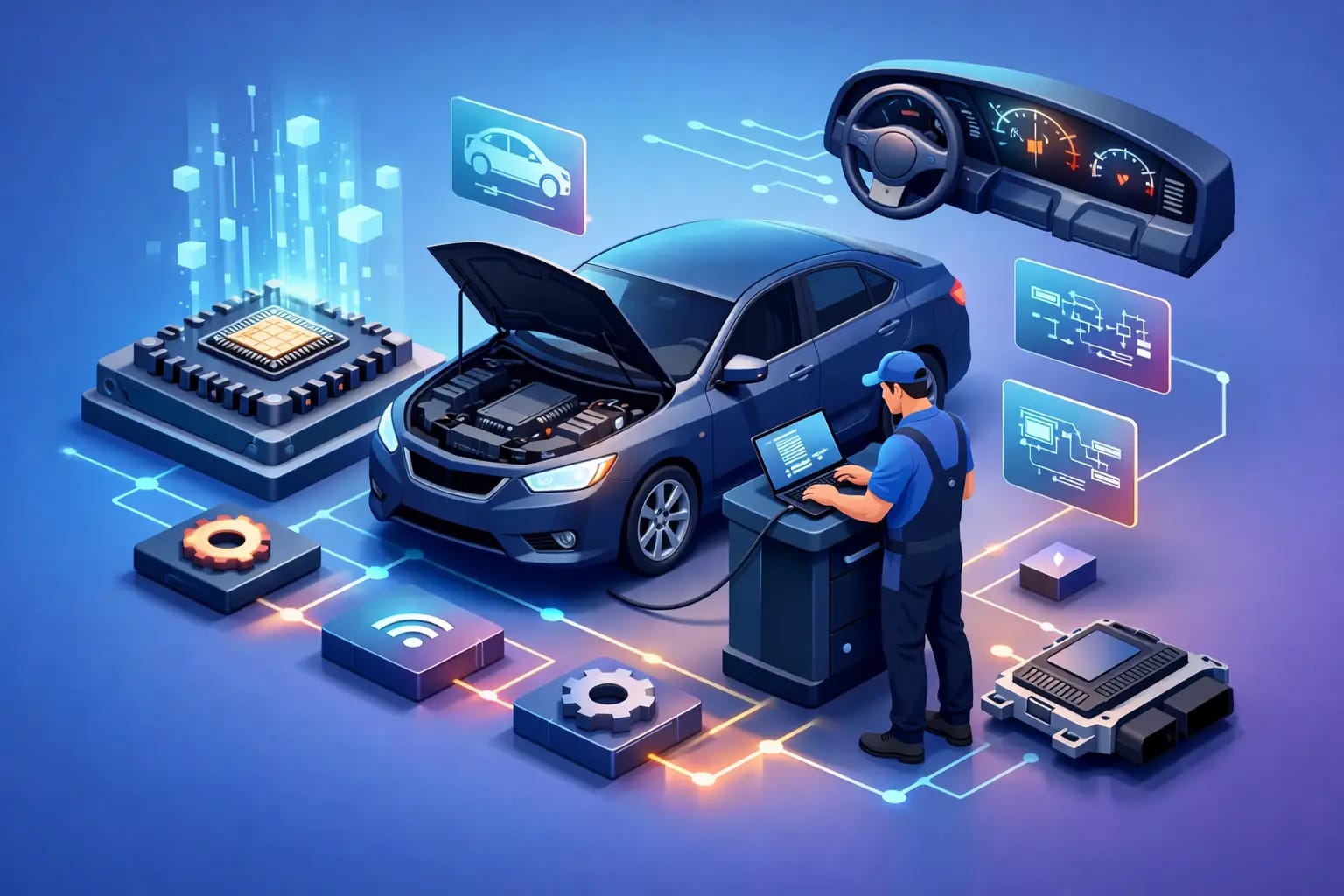
Coding and programming are often used interchangeably, but they are not the same job. Coding changes the configuration held within a control unit. It may enable a factory option, adjust a feature setting, tell a module which equipment is fitted or remove a warning caused by an incorrect vehicle configuration. It is commonly part of an OEM-style retrofit.
Programming, sometimes called flashing, writes or updates the module’s operating software. This may be needed when installing a new or replacement module, applying a manufacturer update, correcting corrupted software or preparing a unit to accept the vehicle’s configuration. Depending on the marque and module, programming can also require security access, online authorisation or component protection procedures.
Then there is calibration. A camera, radar, steering-angle sensor or driver-assistance module may need physical alignment and electronic calibration after fitting, collision repair, suspension work or windscreen replacement. Coding a front radar is not a substitute for accurately calibrating adaptive cruise control. Treating these as separate stages prevents a common and expensive mistake: assuming a warning-free dashboard means a safety system is working as intended.
Why modern vehicles need it
Modern cars are built around networks of modules rather than a single ECU. The engine ECU, gearbox controller, body computer, infotainment system, instrument cluster, gateway, parking system and driver-assistance units exchange information constantly. Each one expects to see the right vehicle identity, specification and software level.
When one module is replaced or added, the rest of the network can be affected. A BMW replacement unit may require coding to the vehicle order and an iDrive service-history restoration may need the correct diagnostic process to preserve a professional digital record. On Alfa Romeo and Fiat Group vehicles, a Proxy Alignment can synchronise configuration data across compatible modules so the instrument cluster and body computer recognise the equipment correctly. On other vehicles, the process may involve parameterisation, adaptation resets or online commissioning.
The practical result is simple. Correct programming allows the vehicle to operate as it was designed to operate. Incorrect programming can create warning lights, inoperative functions, battery drain, communication faults, missing menus or intermittent problems that are difficult to trace later.
Common reasons to programme a module
Replacement parts are one of the most frequent reasons for workshop programming. A new module is often supplied blank or in a transport state. A used module may still contain data from its donor vehicle, including incompatible configuration, software versions or security information. Even where a part number appears to match, the hardware revision and installed options must be checked before any attempt is made to fit it.
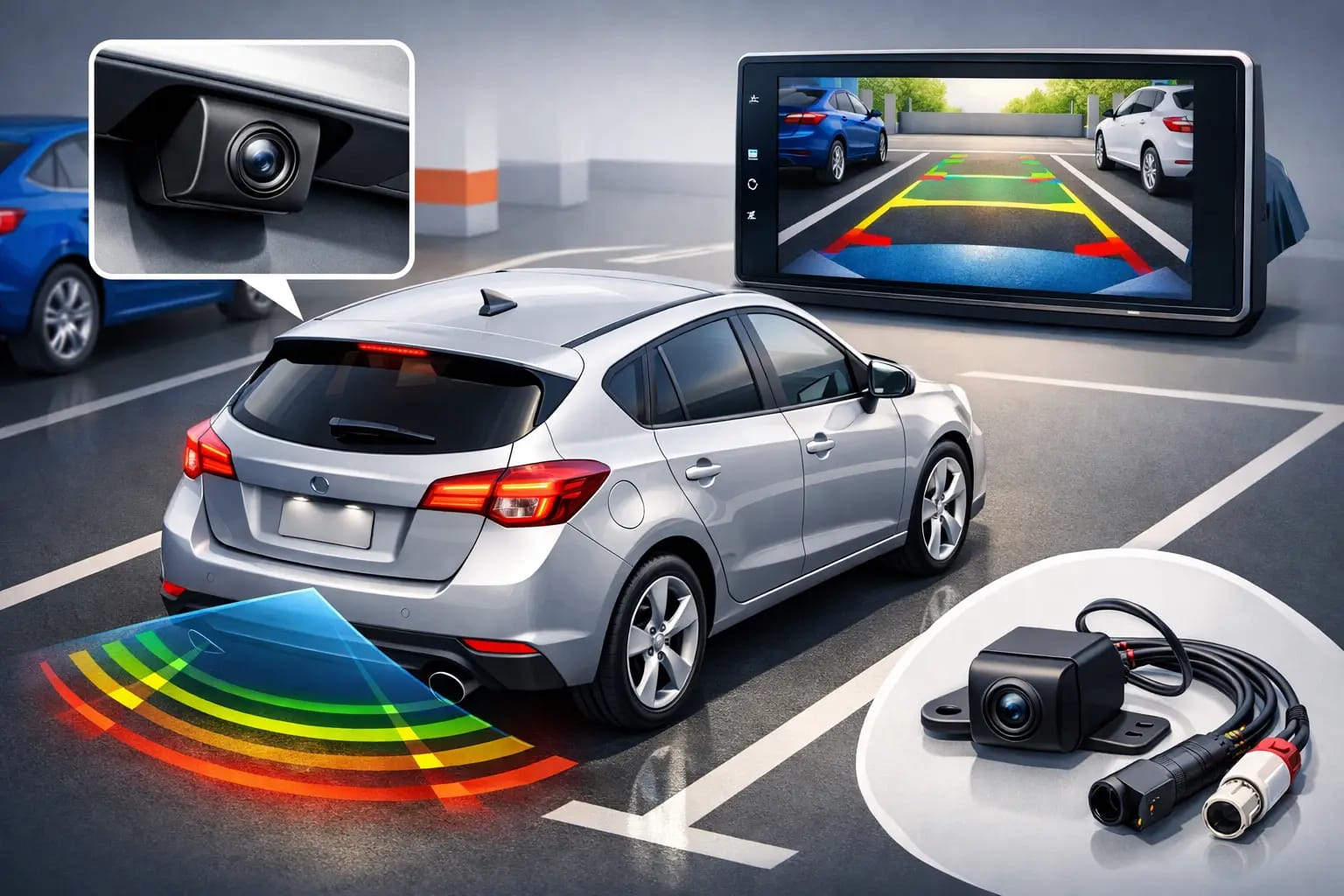
Retrofits are another major area. Factory-style Apple CarPlay or Android Auto, upgraded display units, reverse cameras, adaptive cruise control, lane keep assist and traffic-sign recognition can all involve more than fitting components. The car may need the correct wiring, brackets, sensors, steering-wheel controls, module configuration and activation data. Some upgrades are viable only when the original vehicle architecture supports them.
Software faults also require a measured approach. An ECU update can resolve a known issue, but it is not automatically the right answer to every fault code. A vehicle first needs a proper health check: battery condition, fault memory, communication status, prior modifications and the module’s current software identity all matter. Programming a module with an underlying wiring fault or unstable supply can turn a manageable diagnostic job into a recovery job.
The detail that protects the vehicle
Module programming should begin with identifying the vehicle precisely, not guessing from the registration alone. VIN data, equipment level, module part numbers, software versions and fault codes establish what the car was built with and what it can support. This is particularly relevant with premium vehicles, where the same model can have very different electrical architecture depending on year, trim and options.
Stable voltage support is equally critical. During a software write, voltage drops or interrupted communication can corrupt the module being programmed. Professional battery support equipment is not an optional extra for longer programming sessions. It protects the control unit and helps ensure the process completes cleanly.
The work also needs to respect the relationship between modules. Updating one unit can expose version mismatches elsewhere, while replacing a gateway or body module may affect keys, immobiliser functions, telematics, lighting or infotainment. A competent technician plans the job around the whole system, rather than treating the affected module in isolation.
This is why generic plug-in tools have limits. They can be useful for reading faults and carrying out simple service functions, but they cannot always access manufacturer-level routines, protected coding, online functions or the required calibration pathway. The correct diagnostic platform depends on the vehicle and the work being carried out.
Retrofit programming versus aftermarket shortcuts
There is a clear difference between adding a feature that behaves like original equipment and forcing a function to appear temporarily. An OEM-style retrofit is planned around compatible parts, correct installation, vehicle-specific coding and post-installation checks. Menus appear where they should, steering-wheel controls behave properly and the vehicle retains a factory-quality presentation.
That approach can cost more than fitting an inexpensive universal solution, and it is not always necessary. A standalone camera system may be the sensible choice for an older vehicle where an OEM retrofit would require excessive parts and labour. The right route depends on the vehicle, the owner’s expectations and whether future resale presentation matters.
For newer vehicles, factory integration is often worth the additional work. It avoids poor-quality displays, unreliable interfaces and add-on wiring that can complicate fault finding later. It also means the technician can test the finished installation in the same way as any other networked vehicle system.
What a proper programming appointment should include
A credible programming job does not finish when the laptop reports success. The module should be scanned for faults, configured to the vehicle, checked for communication with related systems and function-tested in the car. If a camera, radar or assistance system has been fitted, any required calibration and road-test procedure should also be completed.
Owners should expect clear advice where a used module is unsuitable, where an additional part is required or where a factory function cannot be activated on that particular vehicle. Honest compatibility checks save time and prevent the familiar cycle of buying parts twice.
There are also legal and safety boundaries. Safety systems must remain correctly calibrated and functional, and any vehicle modification used on the road must meet applicable legal, insurance and MOT requirements. Software work should solve a defined problem or support a properly engineered upgrade, not mask faults that need mechanical repair.
Choosing the right specialist
The best starting point is not “Can this be coded?” but “What does the vehicle need to make this work correctly?” That question covers hardware compatibility, wiring, software, calibration, security access and the condition of the vehicle itself.
At VEXEN Performance & Coding, that workshop-first approach is central to the job. Whether the goal is restoring a digital service record, commissioning a replacement module or adding a genuine-style convenience feature, the aim is a result that works properly beyond the first ignition cycle. Your vehicle’s electronics should support the way you use the car, not become the next warning light you have to live with.
Frequently asked questions
Why does a replacement module need programming?
A new module is often supplied blank or in a transport state, while a used one may hold data from its donor vehicle, including incompatible configuration, software versions or security information. Even where the part number matches, the hardware revision and installed options must be checked before fitting.
Why is stable voltage important during programming?
During a software write, voltage drops or interrupted communication can corrupt the module being programmed. Professional battery support equipment protects the control unit and helps the process complete cleanly, and it is not an optional extra for longer programming sessions.
Does a camera or radar need calibration after fitting?
Yes. A camera, radar or steering-angle sensor may need physical alignment and electronic calibration after fitting, collision repair, suspension work or windscreen replacement. Coding a front radar is not a substitute for calibrating adaptive cruise control, so a warning-free dashboard does not prove the system works.